

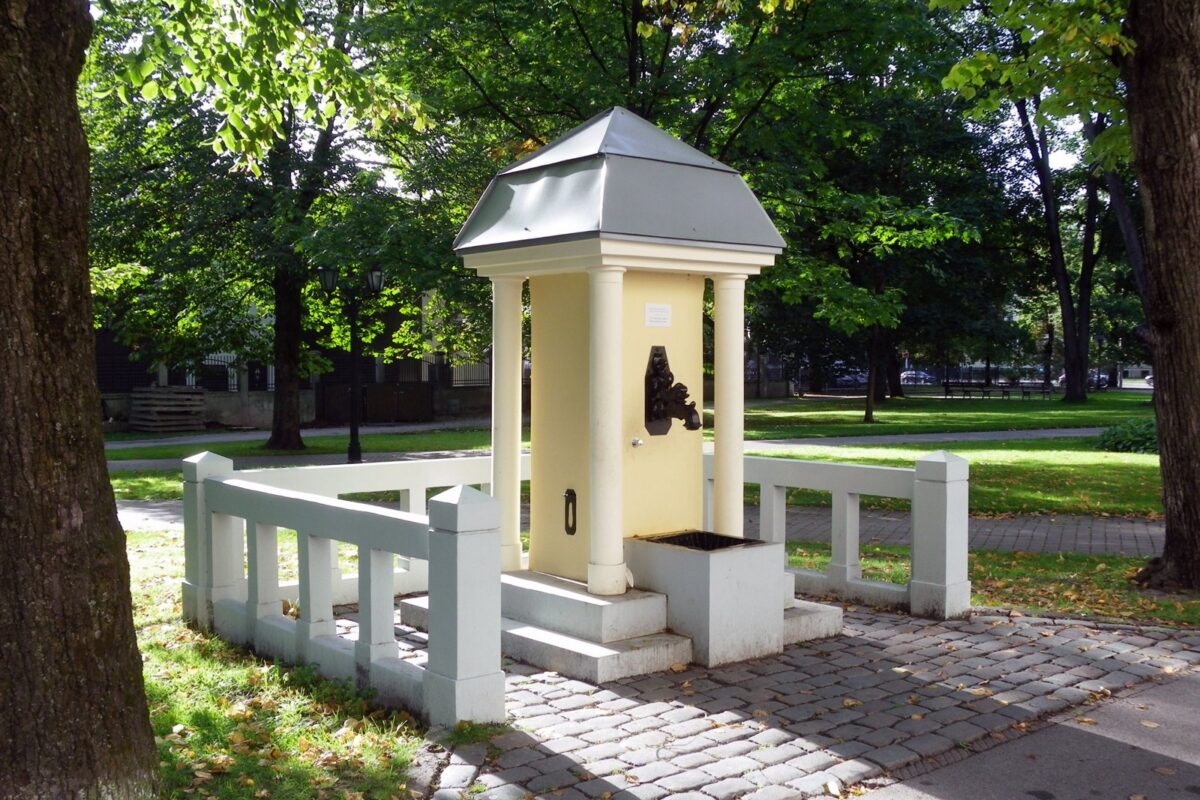
Your tap is about to smell like a swimming pool. Riga tap water gets its autumn chlorine shot next week, so boil what you drink.
Rīgas ūdens, the city’s water company, will disinfect the entire Riga water network from 12:00 AM on Monday 2 November (Sunday night into Monday) until the end of Thursday 5 November. It recommends drinking and cooking with boiled water during those days and for 24 hours after, so through Friday 6 November.
Key facts
- Chlorination runs from 12:00 AM on Monday 2 November (Sunday night into Monday) to the end of Thursday 5 November, citywide.
- Boil water for drinking and cooking until the end of Friday 6 November.
- No need to boil water for washing, showering or cleaning.
- Chlorine goes up to 4 mg/l for those days, still below the WHO limit of 5 mg/l. The everyday level is about 0.32 mg/l.
- This is the second and last network disinfection of 2026. The first ran in May.
Is Riga tap water safe to drink during chlorination?
Rīgas ūdens says yes, health-wise. The dose stays under the World Health Organization limit for free chlorine. Boiling is a precaution, and the company still recommends it.
“In Riga the everyday level is about 0.32 mg/l, almost 16 times below that limit,” says Gunita Kona, who heads the company’s water quality lab. That’s lower than Rome (0.40 mg/l), Helsinki (0.43 mg/l) or Tallinn (1.1 mg/l). Two heavy doses a year are what let Riga keep the everyday level that low.
Riga has been doing this for years. We flagged the chlorine smell during a city water purification back in 2016, and covered why Riga’s tap water is clean and safe to drink.
What about pets, plants and fish?
No need to boil it. Fill a bowl or jug and leave it open for a while before giving it to dogs, cats, birds or the aquarium. Chlorine is volatile and fades out of standing water. Same trick for watering houseplants.
Why does Riga chlorinate its water?
The city’s water network runs more than 1,500 km. Water sitting in pipes and swings in temperature can let microorganisms grow, so Rīgas ūdens doses every pumping station at once, plus mobile units around town, and lets the chlorine work through the whole system. The company says it will monitor chlorine levels throughout.
Full details are in the Rīgas ūdens announcement (in Latvian).
Kettle on, Riga. Five days of boiling, then straight from the tap again.
Photo: Drinking water fountain on Raiņa bulvāris, Riga, 2023 by Olgerts V / Wikimedia Commons, CC BY 4.0.