
Free rides could start costing money. Under a Ministry of Transport plan for Latvia public transport fares from 2027, preschoolers and disabled passengers who now travel free would pay 30% of the fare, and regional bus and train tickets would rise by about 10%.
Latvia’s Ombudsman, Karina Palkova, filed formal objections on Monday, 9 November, to the ministry’s report on funding public transport in 2027–2030. Nothing is decided. The Cabinet still has to pick an option.
Key facts
- The proposal: regional bus and train fares up about 10% on average from 2027, with state-paid discounts capped at 70% of the fare
- Who’d start paying 30%: people with group I or II disability, disabled children, preschool children, orphans and children without parental care, the Ombudsman says
- The money gap: base funding has been stuck at €93.8 million since 2024, while 2026 costs are forecast at about €109.9 million
- Status: a proposal. The Cabinet decides, and the transport minister says the final call belongs to the next government
What would a free ride cost from 2027?
The ministry’s own examples: in city transport in Latvia’s state cities, a 70% discount means €0.21 to €0.54 a ride, against full fares of €0.70 to €1.80. A Vivi train ride from zone A to zone D would cost €0.99 instead of €3.30.
The ministry’s report lays out three options. Option one cuts regional buses and trains, raises fares around 30%, LETA reports, and adds the 70% cap. Option two keeps the network, raises fares about 10% and adds the cap. The ministry calls it workable if no extra cash comes. Option three keeps every discount and also raises fares about 10%, but needs roughly €15 million a year extra. That’s the one the ministry prefers, if the budget finds the cash.
Who’s pushing back?
Palkova said in her statement, made in Latvian, that charging children and disabled people has to be the last resort, and that public transport is often their only way to reach basic services.
Disability group Apeirons, patient groups and the Latvian Children’s Welfare Network object too, Delfi and LETA report.
The ministry says it has no plan to scrap the discounts next year. Deputy state secretary Kaspars Bērziņš says any cut would be worked out with other ministries to soften the hit. Transport Minister Rihards Kozlovskis says the final decision will fall to the next government.
That lands on top of the proposed 19% heating tariff rise. Keep an eye on the Cabinet.
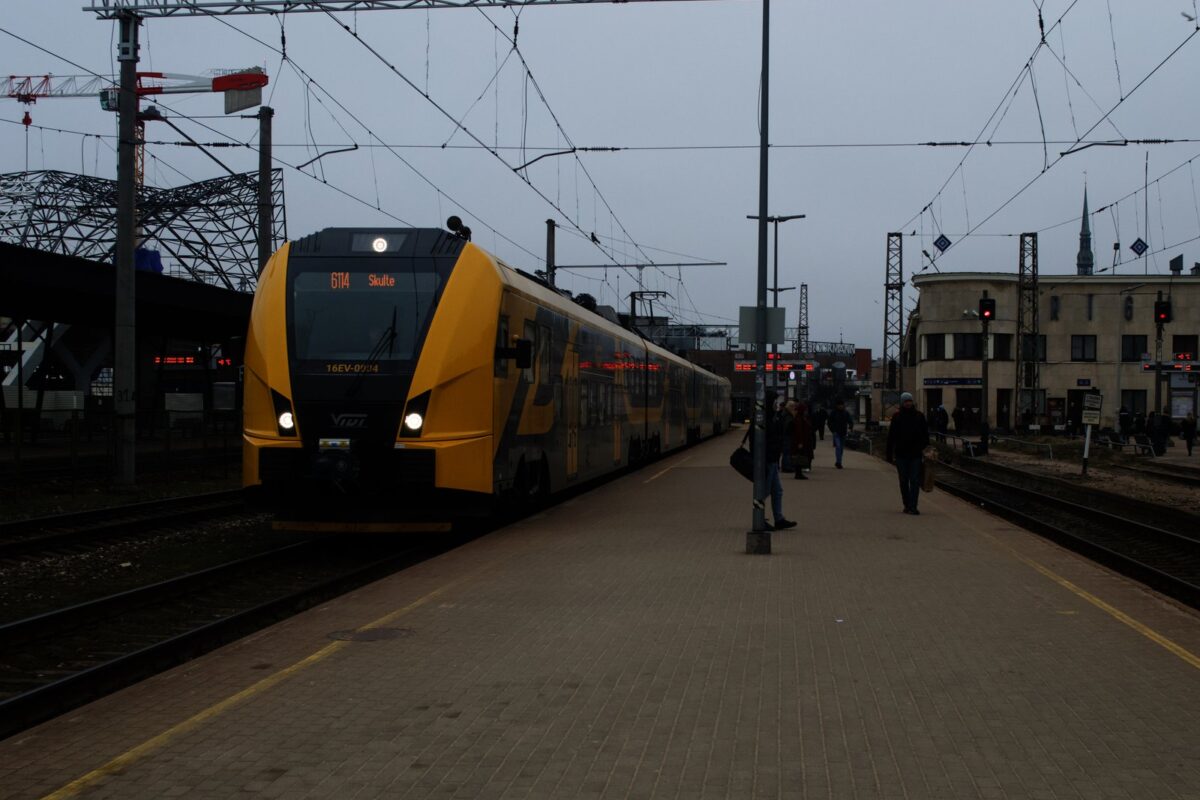
Photo: Vivi Škoda 16Ev train at Riga Passenger Station, March 2024, Phil Richards / Wikimedia Commons, CC BY-SA 2.0