

Forty million more for the pipes under your feet.
Rīgas ūdens raised €40 million in five-year European Green Bonds on 4 November 2026, at a fixed 4.839% coupon, completing its €60 million bond programme started in 2025 — money earmarked for Riga’s water and wastewater upgrades.
Where does the €40 million go?
Per the company’s release via Riga Council, the planned split of that €40 million is:
- ~55% — sewer network renewal
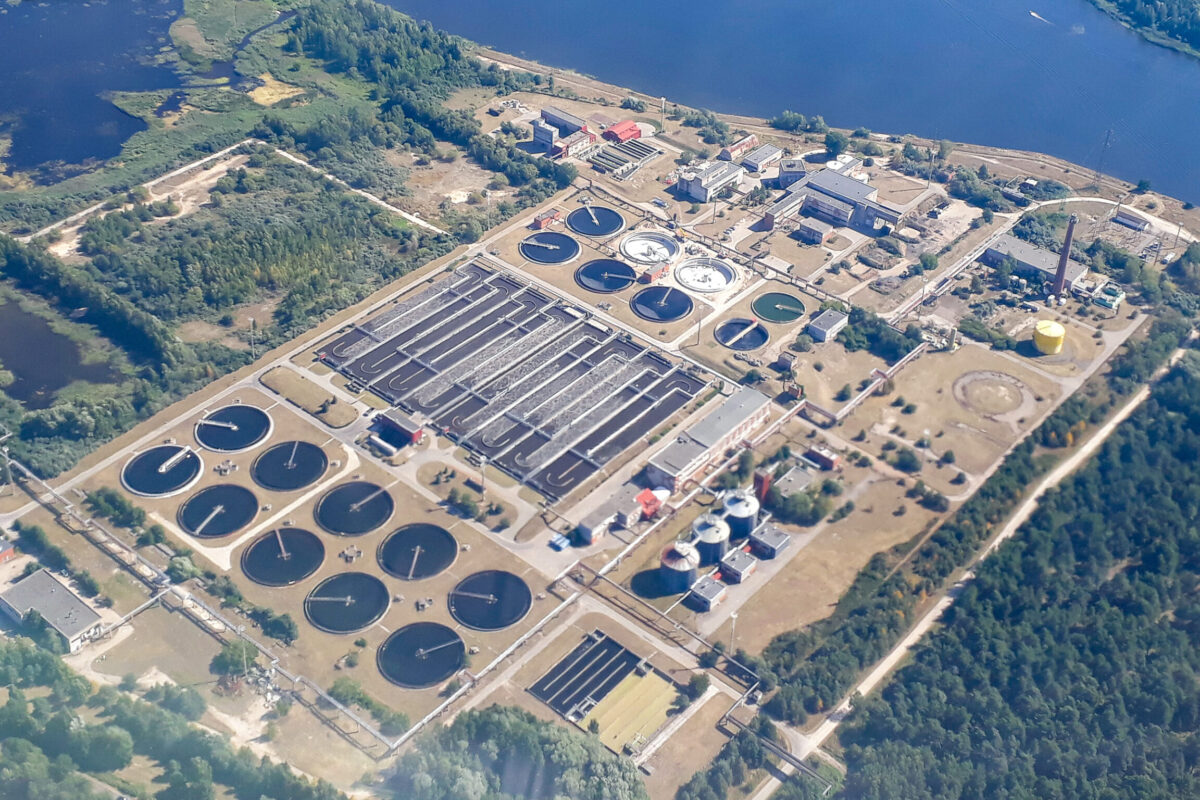
- ~42% — finishing the anaerobic digester expansion at the Daugavgrīva biological treatment plant
- ~2% — energy efficiency
- ~1% — IT monitoring upgrades
That’s a slice of the utility’s €235 million investment plan for 2025–2028. By mid-2026 it had already put €72.6 million into the ground, including the first €20 million green-bond tranche from 2025.
Key facts
- €40m second EuGB tranche; €60m programme now fully issued
- Issue date 11 November 2026; matures 11 November 2031
- Coupon 4.839%; Moody’s A3, stable outlook
- Arranged by Signet Bank; legal: COBALT; Nasdaq Riga listing planned
- First Northern European issuer under the EU Green Bond Standard (2025)
Chair Krišjānis Krūmiņš put it straight: the raise isn’t the point — modernising the network so Riga keeps reliable water and wastewater for decades is. City executive director Jānis Lange called the close a next milestone after Rīgas ūdens became Latvia’s first municipal company to tap the capital market last year.
If last week’s Rīgas ūdens chlorination notice felt close to home, this is the longer game behind every tap — sewers and Daugavgrīva. Elsewhere on the city’s build list: the Dzirnavu iela rebuild now open through the centre, and the Kundziņsala overpass taking port trucks off downtown streets.
Bonds go to institutional investors — banks, pension funds, insurers. The digesters and sewer trenches they fund? That’s Riga’s next decade of water.
Photo: Daugavgrīva wastewater treatment plant, August 2022, by Mosbatho / Wikimedia Commons, CC BY 4.0.